Review: Funny Mechanic in Training Free Svg for Embroidery
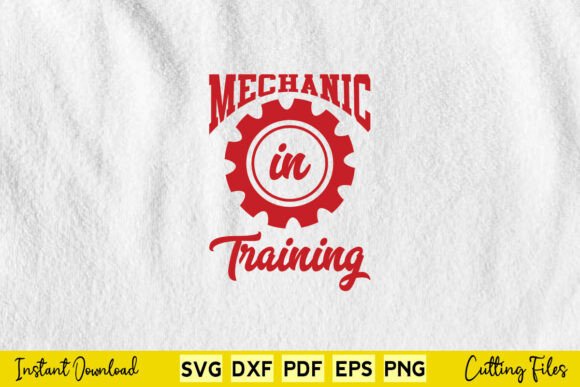
As a designer who spends half my life staring at digitized paths and the other half pulling out bobbins, I approach free design assets with a healthy dose of skepticism. We all love a good freebie, but in the world of machine embroidery design, "free" often means poorly digitized, overly dense, or legally ambiguous. However, when I pulled up the Funny Mechanic in Training Free Svg to test for a potential client project, I was pleasantly surprised by its versatility. This isn’t just a clipart file; it is a viable design asset for crafters who understand how to translate digital graphics into thread.
First Impressions: Mood and Visual Personality
The immediate appeal of this graphic is its playful, approachable energy. The theme—celebrating a young apprentice or a hobbyist getting their hands dirty—resonates deeply with parents, partners, and DIY enthusiasts. Visually, the layout is balanced. It avoids the clutter that plagues many novelty designs, offering clean lines that suggest a modern, rather than dated, aesthetic. For an embroidery project, this clarity is crucial. Complex, messy graphics turn into bird’s nests of thread on fabric, but this design’s open spaces allow the texture of the material to breathe.
The mood is lighthearted yet proud. It captures that specific moment of learning a trade, making it perfect for personalized gifts. Whether you are stitching for a nephew who loves taking apart toaster ovens or a partner who spends weekends in the garage, the sentiment lands without being cheesy. In the realm of Crafts and Graphics, finding a balance between humor and professionalism is key, and this design manages that tightrope walk effectively.
Real-World Application: The Sweatshirt Test
To truly evaluate any design, you have to imagine it stitched out. I visualized this design on a heather grey youth-sized sweatshirt. This is a classic use case for sweatshirt embroidery. The dark grey fabric provides excellent contrast for standard thread colors like navy, red, or white. Because the design likely features bold shapes typical of mechanic-themed iconography (wrenches, gears, or toolboxes), it holds up well against the fuzzy texture of fleece or French terry cloth.
I also considered its application on a canvas tote bag design. Here, the durability of the stitch matters. A tote bag gets tossed around, stuffed with groceries, and washed frequently. If the stitch density is too low, the design will look sparse and cheap. If it is too high, the bag will pucker. This particular graphic seems robust enough to handle a medium-density fill, ensuring the finished product looks substantial and valuable. For an Etsy seller, this translates to higher perceived value. Customers are willing to pay more for a item that looks professionally manufactured rather than hastily stitched.
Versatility Across Products
Beyond apparel, this design shines in home decor and accessories. Imagine it embroidered on a denim apron for a father’s day gift, or as a patch on a child’s backpack. The concept of "training" implies growth, making it ideal for baby embroidery projects, such as onesies or bibs for the littlest helpers in the family. It also works beautifully for holiday embroidery, particularly for birthdays or Father’s Day, where personalized, humorous touches are highly sought after.
For those running a craft business, this design can be adapted for various custom apparel items. Hoodies, caps, and even pillow covers can benefit from this graphic. The key is adapting the scale. On a cap, the design must be simplified to fit the curved surface and limited hoop size. On a pillow, you can go larger, allowing for more intricate detail in the satin stitch borders or fill stitch areas.
Technical Considerations for Stitching
While the visual appeal is strong, the technical execution requires attention. Since this is provided as an SVG, it is primarily a vector graphic intended for cutting or printing. To use it for embroidery, you must digitize it properly or ensure you are using a converted embroidery file that respects the original lines. If you are digitizing it yourself, pay close attention to the underlay. A proper running stitch underlay will prevent shifting on stretchy fabrics like t-shirt jersey.
Thread colors play a massive role here. Mechanic themes often lean towards industrial tones—greys, blacks, metallics, and primary tool colors like red or yellow. However, don’t be afraid to experiment. A pastel version on a baby blanket softens the industrial edge, making it cute rather than rugged. Always test your color combinations on scrap fabric first. What looks good on screen may look muddy when stitched out, especially if the fabric texture interferes with fine details.
Where to Use Caution
There are scenarios where this design might struggle. Tiny lettering, if included in the variant you choose, can be problematic on textured fabrics like towels or wool blends. The loops of the fabric can swallow small running stitch details, making the text illegible. If the design includes small gears or intricate tool handles, these may need to be simplified or enlarged for smaller hoop sizes, such as 4x4 inches.
Additionally, be cautious with dark fabrics if you are not using a high-quality stabilizer. Without proper support, dense areas of the design can cause puckering, which ruins the professional look of your handmade product. Always match your stabilizer to your fabric weight. Cut-away stabilizer is generally best for knit fabrics like t-shirts and hoodies, while tear-away works for woven cottons like tote bags or aprons.
Commercial Viability and Licensing
For small shop product creators and digital embroidery file sellers, licensing is non-negotiable. The product description notes it is a digital product, but it does not explicitly state commercial rights. Before selling any finished product or using this in a client’s commercial embroidery project, you must verify the license. Many free SVGs are for personal use only. Using them commercially without permission can lead to legal issues and damage your brand’s reputation.
Assuming the license permits commercial use, this design is a strong contender for boutique branding. It appeals to a niche market—families of tradespeople, automotive enthusiasts, and DIYers. This specificity helps in targeting ads and creating relevant printable mockup previews for your online store. A well-presented mockup showing the design on a realistic garment can significantly boost buyer engagement.
Final Verdict for Designers
The Funny Mechanic in Training Free Svg is a solid addition to your library, provided you handle the technical translation from vector to stitch with care. It offers a blend of humor and heart that resonates with customers looking for meaningful, personalized items. It is not just a graphic; it is a storytelling element for your embroidery project.
My advice? Download it, but don’t just stitch it blindly. Digitize it with intention. Check your stitch density. Test it on different fabrics. Ensure your thread colors pop against the background. When you treat a free asset with the same respect as a paid premium design, the results speak for themselves. Your customers will notice the quality, the clarity, and the care put into every stitch. That is what turns a one-time buyer into a loyal follower of your craft business.
Remember, the best designs are those that disappear into the product, leaving only the emotion and the artistry visible. This design has the potential to do exactly that, whether it’s on a rugged work shirt or a soft baby blanket. Just make sure to do your homework on the licensing and technical specs before you hit "start" on your machine.