Review: Curious Funny Goat Svg for Real Embroidery Projects
As a designer who spends more time staring at stitch previews than most people spend on their phones, I approach every new machine embroidery design with a mix of excitement and skepticism. We've all been there: you buy a cute graphic, load it up, and realize the lines are too close together or the details will vanish into a blob of thread. That's why I took a close look at the Curious Funny Goat Svg- before committing it to any client work or personal handmade product. This isn't just about whether the image is adorable; it's about whether it survives the transition from screen to fabric.
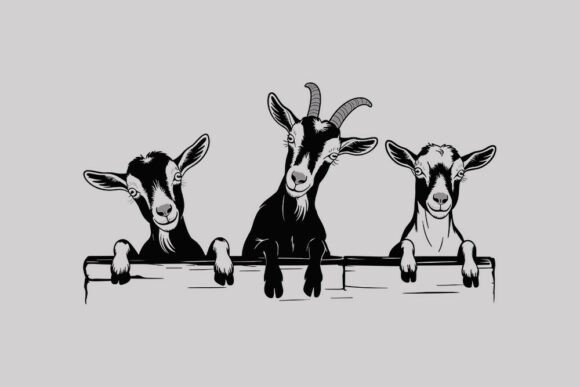
The first thing that strikes me about this Graphics asset is its personality. The "curious" aspect of the goat comes through in the line work and expression, which is crucial when you are trying to convey emotion in a static medium like embroidery. When evaluating a file for real-world use, I'm not just looking at the JPEG preview; I'm imagining how those curves translate into satin stitches or fill patterns. The shape feels organic yet structured enough to hold its form on textured materials. For an Etsy seller or small shop owner, this kind of visual clarity is gold because it ensures the finished product looks professional, not amateurish.
Putting the Design to the Test: A Tote Bag Scenario
To truly gauge the potential of the Curious Funny Goat Svg-, I envisioned a specific project: a custom canvas tote bag for a local farmer's market vendor. Tote bags are notorious for being tricky; the weave is often loose, and the fabric can be heavy. If a design is too dense, it puckers; if it's too light, the background fabric shows through awkwardly.
In this scenario, the goat design shines as a focal point. Its layout suggests it would work beautifully centered on a standard 12x12 inch bag. Because the theme is lighthearted and fun, it appeals to a broad demographic, from students to eco-conscious shoppers. When digitizing this embroidery file (or if it comes pre-digitized, checking the settings), one must pay attention to the underlay. On canvas, a robust underlay is non-negotiable to prevent the stitches from sinking in. The playful nature of the goat means customers are likely to smile when they see it, increasing the perceived value of the small shop product. It transforms a generic bag into a personalized gift or a statement piece.
Versatility Across Different Fabrics and Items
Beyond tote bags, where else does this design fit? The versatility of the Curious Funny Goat Svg- extends well into custom apparel. Imagine it embroidered on the chest pocket of a denim jacket or the sleeve of a fleece sweatshirt. For sweatshirt embroidery, the texture of the fleece adds a cozy dimension to the goat character. However, one must be cautious with stitch density. Fleece is thick, and if the design relies on tiny, intricate details, they might get lost in the nap of the fabric.
For baby embroidery, such as on a onesie or a burp cloth, the "funny" aspect is a major selling point. Parents love whimsical animals for nursery decor and baby gifts. Here, the scale becomes critical. You would need to ensure the design can be resized without losing the integrity of the goat's features. If the original file allows for scaling down to a 3-inch hoop while maintaining clear outlines, it becomes a staple for holiday gifts and baby showers. Similarly, for an embroidered patch, this design offers strong silhouette potential. Patches require clean edges and defined shapes so they can be cut out easily after stitching, and the goat's profile seems conducive to a merrowed edge or a tight satin border.
Technical Considerations and Potential Pitfalls
While the aesthetic appeal is high, practical application requires a keen eye for technical limitations. One area where the Curious Funny Goat Svg- demands caution is on dark fabrics. If the design relies heavily on fine running stitches or light thread colors, it may lack contrast against navy or black garments. In these cases, I recommend testing the design with a backing stabilizer that matches the garment color or adjusting the thread palette to ensure pop. A printable mockup can help visualize this, but nothing beats stitching a sample on scrap fabric first.
Another consideration is curved surfaces, like caps. Embroidering on a structured cap requires a design that doesn't have excessive width or elements that distort when wrapped around the crown. If the goat's horns or ears extend too wide, they might interfere with the cap's seam or look stretched. For holiday embroidery projects, such as kitchen towels or aprons, the absorbency and texture of terry cloth or linen must be factored in. High stitch density on a thin linen towel can cause warping after the first wash, ruining the presentation of the craft business item.
Maximizing Value for Commercial Use
For commercial embroidery professionals and digital product sellers, the consistency of the output is directly tied to brand reputation. Using a reliable design like the Curious Funny Goat Svg- helps maintain brand consistency. If you sell a line of animal-themed goods, this goat needs to match the quality of your other items. Customers trust handmade shops that deliver clean, crisp stitching every time. A sloppy execution of a cute design can undermine customer trust and hurt buyer engagement.
Furthermore, when listing items on platforms like Etsy, the visual appeal of the product photos is paramount. A well-executed embroidery job catches the light and shows texture, making the online listing more compelling. Whether you are selling the physical finished product or using the design as part of a larger design assets package, the quality of the source file matters. The provided formats—SVG, PNG, EPS, and DXF—offer flexibility for various cutting machines and editing software, which is essential for creating diverse marketing materials.
Final Designer Notes and Best Practices
Before you run a production batch of goat-emblazoned hoodies or list a new digital download, here are my practical recommendations:
- Test on Scrap Fabric: Always stitch a sample on the exact material you plan to use. Fabric tension varies wildly between cotton, polyester, and blends.
- Check Thread Contrast: Ensure your chosen thread colors stand out against the fabric. Don't assume the screen colors will translate perfectly to thread spools.
- Review Stitch Density: If the design feels stiff after stitching, it might be too dense. Adjust your digitizing settings or choose a lighter fill pattern.
- Confirm Hoop Size: Verify that the design fits within your available hoop sizes, especially if you are working with smaller items like socks or infant wear.
- Inspect Small Details: Zoom in on the preview. Are there tiny islands of fabric that might not catch? Will thin lines break easily?
- Stabilizer Selection: Match your stabilizer to the fabric. Cut-away is usually safer for stretchy knits, while tear-away works for stable wovens.
- Licensing Check: Since this is a commercial asset, double-check the license terms regarding the number of physical items you can sell versus digital redistribution.
The Curious Funny Goat Svg- holds significant promise for creators in the Crafts category who value both charm and functionality. It bridges the gap between a whimsical illustration and a durable textile application. By respecting the technical nuances of embroidery and understanding the end-use environment, you can turn this simple graphic into a standout product that resonates with customers and stands the test of time. Whether it ends up on a rustic kitchen towel or a trendy streetwear hoodie, the key lies in thoughtful execution and an appreciation for the craft.