Reviewing the Retro Best Nana Ever Design for Embroidery
As a designer who spends more time staring at stitch simulations than I do sleeping, I have learned that not every cute graphic translates well to thread. We see thousands of digital files flood the market daily, promising ease of use and high visual impact. But when you are running a small shop or crafting a personalized gift for a family member, you need more than just a pretty picture on a screen. You need a file that behaves. Recently, I took a close look at the Retro Best Nana Ever SVG Sublimation PNG to determine if it holds up under the needle. This review is written from the perspective of someone who has stitched countless hours into caps, towels, and apparel, looking for practical insights rather than marketing hype.
First Impressions: Mood and Visual Personality
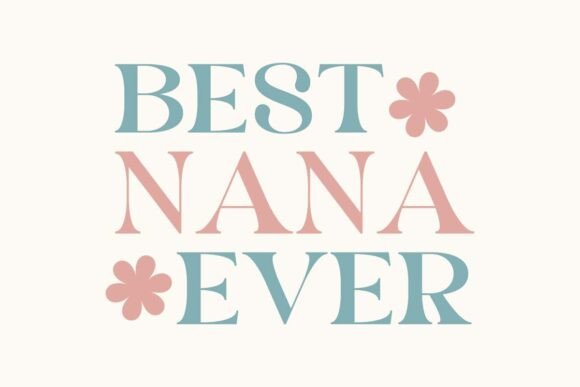
The first thing that strikes you about the Retro Best Nana Ever SVG Sublimation PNG is its nostalgic charm. The retro aesthetic is not just a trend; it is a emotional trigger. For grandmothers, aunts, and mother figures, this style evokes warmth, comfort, and a sense of timeless love. The layout appears balanced, with a clear hierarchy that guides the eye. In the context of Crafts and Graphics, this design leans heavily into sentimentality without becoming cluttered.
From a design standpoint, the shapes seem robust. When evaluating a file for embroidery, I look for closed paths and clean lines. While this product is marketed with SVG, EPS, PNG, and JPG formats, the vector-based files like SVG and EPS are crucial for us. They allow us to scale the design without losing quality, which is essential when adapting a motif for different hoop sizes. The "retro" font choice typically features rounded edges or slight distortions that mimic vintage printing. These characteristics can be forgiving in embroidery, as they hide minor stitch inconsistencies better than sharp, modern serif fonts.
Real-World Application: The Tote Bag Test
To truly understand how this design performs, I imagined a specific real-life scenario. A client wants a custom tote bag for Mother’s Day. The fabric is a medium-weight canvas, sturdy but with a visible weave. This is where the Retro Best Nana Ever SVG Sublimation PNG needs to prove its worth. Canvas is textured, so fine details can get lost. If the design relies on tiny, intricate elements, they might disappear into the fabric grain. However, the bold nature of retro typography usually stands up well to this challenge.
I considered how the design would look as a sweatshirt embroidery piece. Here, the fabric is softer and often fleece-lined. The stretch of the material means we must be cautious with dense stitching. If the design area is too large or the stitch density too high, the garment will pucker. The retro style, often characterized by solid blocks of color or thick outlines, suggests that a fill stitch approach would work well. Yet, we must ensure the underlay is sufficient to stabilize the fabric before the top stitches land. For a tote bag design, the stability is less of an issue, allowing for richer, denser stitching that makes the colors pop.
Navigating Technical Challenges
While the aesthetic is appealing, there are areas where caution is required. One common pitfall with retro designs is the use of small, decorative accents or tight kerning between letters. In embroidery, threads have thickness. If two letters are too close, the stitches will merge, creating a blob rather than distinct characters. When using the Retro Best Nana Ever SVG Sublimation PNG, I would immediately check the spacing in my embroidery software. If the original graphic has tight lettering, I would manually adjust the tracking to ensure clarity after stitching.
Another consideration is the substrate. If you plan to use this on a cap or hat, the curved surface changes everything. Designs that look flat and perfect on a screen can distort when wrapped around a crown. The retro font might need slight adjustment to account for this curvature. Additionally, for baby embroidery items like onesies or bibs, the fabric is delicate. High stitch density can make the garment stiff and uncomfortable against sensitive skin. In these cases, I would recommend reducing the density or using a lighter weight thread to maintain softness while preserving the visual impact of the personalized gift.
Color and Contrast Considerations
The product description mentions that the files are color changeable. This is a vital feature for embroidery designers. A retro design often relies on specific color palettes—mustards, teals, burnt oranges, or faded pinks. However, when translating this to thread, we must consider contrast. On a dark navy sweatshirt, a dark brown retro font will vanish. I always test my designs in black and white mockups first to check value contrast. If the design lacks sufficient contrast in grayscale, it will likely fail in real life regardless of the thread colors chosen. The Retro Best Nana Ever SVG Sublimation PNG should be evaluated on both light and dark backgrounds to ensure versatility for your Etsy seller inventory or small shop product line.
Enhancing Product Value and Brand Consistency
Why does this matter for your business? Because consistency builds trust. When a customer buys a handmade product, they are buying into your brand’s reliability. If the Retro Best Nana Ever SVG Sublimation PNG stitches out cleanly, with no thread breaks or messy jumps, it reflects professionalism. It enhances the perceived value of the finished product. Whether you are creating holiday embroidery gifts or everyday custom apparel, the quality of the digitization directly impacts customer satisfaction. A clean, well-executed design encourages repeat business and positive reviews, which are the lifeblood of any craft business.
Furthermore, this design fits seamlessly into various product categories. It works for embroidered patch creation, where the edges need to be clean for cutting. It suits kitchen towel embellishments, provided the stabilizer is chosen correctly to handle frequent washing. It even serves well for nursery decor, adding a touch of vintage warmth to modern spaces. The versatility of the file formats included—SVG, EPS, PNG, and JPG—means you can use the same asset for printable mockups on your website, ensuring your online presentation matches the physical item.
Practical Designer Notes for Success
Before you commit to production, here are my recommended steps for working with this design:
- Test on Scrap Fabric: Never stitch directly on your final garment. Use a similar scrap piece to check tension and registration.
- Check Stitch Density: If the design feels heavy, reduce the density in your software to prevent puckering, especially on stretchy fabrics.
- Verify Hoop Size: Ensure the design fits comfortably within your hoop, leaving enough margin for stabilization.
- Inspect Small Details: Zoom in on the vector file. Are there any stray nodes or overlapping paths that could cause machine errors?
- Use Proper Stabilizer: Match your stabilizer to your fabric. Cut-away for knits, tear-away for wovens, and wash-away for delicate items.
- Confirm Licensing: The product description mentions commercial use potential, but always double-check the specific license terms provided by the seller before selling finished items or digital products.
In conclusion, the Retro Best Nana Ever SVG Sublimation PNG offers a strong foundation for sentimental, high-value embroidery projects. Its retro appeal connects emotionally with buyers, while its structural simplicity allows for reliable stitching across various fabrics. By paying attention to detail, adjusting for fabric type, and respecting the technical limits of embroidery, you can transform this digital asset into a cherished personalized gift or a best-selling item in your commercial embroidery catalog. It is a solid choice for designers who value both aesthetics and practicality in their design assets.