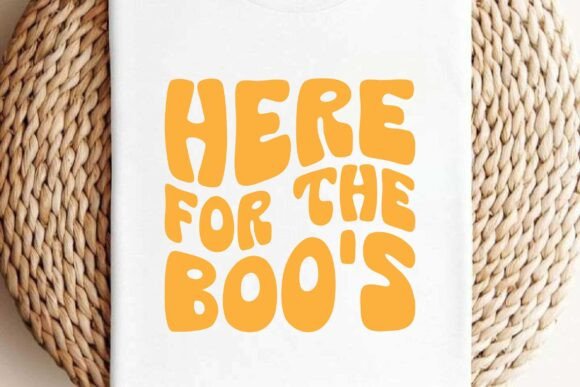
Retro Wavy Here for the Boo s SVG Review
As a designer who spends more time at the hoop than away from it, I approach every new digital embroidery file with a mix of excitement and skepticism. We have all downloaded a graphic that looked perfect on the screen only to realize it turns into a bird's nest of thread once the machine starts running. That is why I took a close look at the Retro Wavy Here for the Boo s SVG Design before committing it to a client project. This isn't just about whether the image is cute; it is about whether it translates effectively into a handmade product that holds up to wear, washing, and scrutiny.
First Impressions: Mood and Visual Personality
The first thing that strikes me about this design is its undeniable vibe. The "Retro Wavy" aesthetic is currently dominating the Crafts and Graphics markets, and this specific iteration captures that groovy, 70s-inspired feel perfectly. The typography flows with a relaxed confidence, suggesting a playful yet stylish mood. For an Etsy seller or boutique owner, this visual personality is gold. It speaks directly to the current trend of nostalgic Halloween decor without being overly spooky or childish.
From a layout perspective, the waves provide a natural frame for the text, which helps contain the design within a manageable footprint. However, as an embroiderer, my eyes immediately go to the curves. Wavy text and undulating lines can be tricky. If the stitch density is too high, those curves might pucker. If it is too low, the edges will look jagged. The success of this embroidery project hinges on how well the digital vector converts to actual thread paths.
Real-World Application: The Custom Tote Bag Test
To truly evaluate the Retro Wavy Here for the Boo s SVG Design, I imagined a specific real-life scenario: creating a limited run of custom tote bags for a local fall festival. Tote bags are a staple for any small shop product line, but they present unique challenges due to their canvas texture and potential for stretch.
In this scenario, the design would serve as the centerpiece of a custom apparel accessory. The retro font style pairs beautifully with natural cotton or canvas, offering a high-contrast look that pops. Because the design is described as having 100 color-changeable options, I could easily adapt the thread colors to match specific brand palettes or seasonal trends—perhaps swapping traditional orange and black for a muted sage and cream for a more modern boutique feel. This flexibility is crucial for maintaining brand consistency across different product lines.
If I were stitching this onto a sweatshirt for a personalized gift, the wavy elements would add a dynamic movement that static block letters lack. Customers often react positively to designs that feel fluid and organic rather than rigid. The "Here for the Boo s" phrase is short enough to remain legible even if scaled down slightly, making it versatile for everything from a large back-panel print on a hoodie to a smaller chest logo on a cap.
Technical Considerations for Stitching
While the aesthetic appeal is strong, we must address the technical realities of turning this SVG into a machine embroidery design. The product description mentions editable files in formats like SVG, EPS, DXF, and PDF. This is excellent for digitizers who need to trace or modify the artwork before generating stitch files. However, it is vital to remember that an SVG is a vector graphic, not a pre-digitized stitch file unless specified otherwise by the creator.
Before loading this into your machine, you need to consider the following:
- Fabric Texture: On textured fabrics like terry cloth or heavy canvas, fine details in the waves might get lost. A satin stitch border might be necessary to define the edges clearly against a rough background.
- Stabilizer Selection: Given the curved nature of the text and waves, using the correct stabilizer is non-negotiable. For stretchy fabrics like t-shirts or baby clothes, a cut-away stabilizer is recommended to prevent distortion over time. For woven fabrics like aprons or pillow covers, a tear-away might suffice, but always test first.
- Hoop Size: Check the dimensions of the design against your available hoop size. While the waves suggest a horizontal orientation, ensure your machine can accommodate the width without needing to re-hoop, which can lead to alignment issues.
- Small Details: Inspect the tiny connections between letters or wave segments. In embroidery, isolated islands of fabric can be problematic. You may need to add tie-ins or adjust the running stitch paths to ensure durability.
Navigating Challenging Surfaces
There are specific situations where you should use the Retro Wavy Here for the Boo s SVG Design with caution. Curved surfaces, such as baseball caps, require careful placement. The wave pattern could visually clash with the curve of the cap if not centered perfectly. Additionally, dark fabrics present a contrast challenge. Since the files include PNGs with transparent backgrounds, you can easily mockup how different thread colors will look against navy or black fabric. Always test a sample on scrap fabric of the same weight and color as your final material. This simple step saves hours of frustration and protects your reputation for quality.
Commercial Viability and Brand Value
For creative entrepreneurs and digital product sellers, the value of a design lies in its ability to generate sales and build trust. A well-executed embroidery piece enhances the perceived value of the finished product. When a customer sees clean, crisp stitching on a holiday gift or nursery decor item, it reinforces their trust in your craftsmanship.
This design fits seamlessly into various commercial categories. It works as a standout element for holiday embroidery collections, adding a trendy twist to traditional Halloween items. It is also suitable for baby embroidery if the color palette is softened, making it a great addition to onesies or bibs. The key is presentation. Using high-quality printable mockups that showcase the texture of the stitches can significantly boost buyer engagement on platforms like Etsy.
However, always verify the licensing terms. The description notes "100 editable file" and lists various formats, but it cuts off before detailing the specific license for commercial use. Before selling finished items or including this in a bundle of design assets, confirm whether the creator allows for unlimited commercial sales or if there are restrictions on the number of physical products you can create.
Final Verdict for Makers
The Retro Wavy Here for the Boo s SVG Design offers a compelling blend of trend-aware aesthetics and functional versatility. Its strength lies in its adaptability; with 100 color options and multiple file formats, it serves as a robust foundation for a wide range of projects. Whether you are crafting a single embroidered patch for a friend or producing a batch of sweatshirt embroidery for your online store, this design has the potential to perform well.
My advice is to treat the SVG as a starting point. Take the time to digitize it thoughtfully, paying attention to fill stitch angles and underlay settings to ensure the waves lay flat. Test it on both light and dark backgrounds to gauge contrast. By approaching this Crafts asset with a critical eye and a focus on technical execution, you can transform a simple graphic into a high-value handmade product that customers will love. In the world of custom decoration, the difference between a good design and a great product often comes down to these practical details.