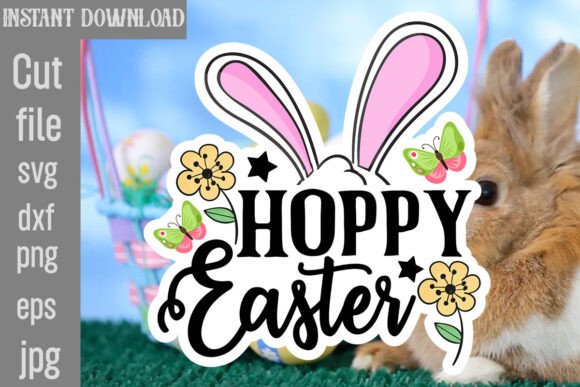
Hoppy Easter SVG: A Designer’s Real-World Review
As an embroidery designer who has spent years digitizing files and testing them on everything from stiff denim to delicate baby knits, I approach every new design with a critical eye. We are not just looking for cute graphics; we are looking for stitchability, visual balance, and commercial viability. When I first pulled the Hoppy Easter SVG Cut File into my workspace, my initial impression was one of playful simplicity. The theme is unmistakably seasonal, leaning into the whimsical side of spring holidays, but the real question for any serious maker is how this digital asset translates when needle meets fabric.
This review is written from the perspective of someone who needs to know if a file will hold up in a real production environment. Whether you are an Etsy seller preparing for the spring rush, a boutique owner creating limited-edition apparel, or a hobbyist making personalized gifts, understanding the nuances of your design assets is crucial. The Hoppy Easter SVG Cut File arrives as a digital download only, packaged in a .zip file containing SVG, DXF, EPS, and PNG formats. While these formats are primarily associated with cutting machines like Cricut and Silhouette, their utility in the embroidery world is significant, particularly for hybrid projects and appliqué work.
First Impressions and Visual Personality
The mood of this design is light, cheerful, and inviting. It avoids the overly complex detailing that often plagues holiday graphics, which is a blessing for embroidery. Complex designs with tiny, isolated elements can be a nightmare to stitch out, leading to thread breaks and frustration. The layout of the Hoppy Easter SVG Cut File suggests a bold, clear silhouette that reads well from a distance. This is essential for items like tote bags or sweatshirts, where the design needs to make an immediate visual impact.
For embroidery designers, the clean lines imply that this graphic would work exceptionally well as a base for an appliqué design. By using the SVG or EPS vector file, you can easily scale the shape to fit various hoop sizes without losing resolution. The visual personality is versatile enough to sit comfortably on children’s clothing, adult casual wear, or home decor items like pillow covers and kitchen towels. It does not scream "cheap novelty"; instead, it offers a modern, handcrafted aesthetic that aligns well with current trends in the crafts and graphics market.
Real-World Application: The Tote Bag Test
To evaluate the practical value of this file, I imagined a specific real-life scenario: producing a run of custom embroidered tote bags for a local farmer’s market spring event. Tote bags are typically made from canvas or heavy cotton, fabrics that have a distinct texture and require robust stitching. Using the Hoppy Easter SVG Cut File as a guide, I would likely convert the shape into a satin stitch border for an appliqué piece, or use it as a fill stitch area if digitizing directly from the vector.
In this context, the design performs well because of its substantial mass. Thin, wispy lines get lost on textured fabrics like canvas, but the bold nature of this Easter-themed graphic ensures that the motif remains visible and crisp. For an Etsy seller, this translates to higher perceived value. Customers buying a handmade product want something that looks professional and durable. A design that stitches out cleanly, without gaps or excessive puckering, builds customer trust and encourages repeat business. The transparent background PNG included in the download is also invaluable here, allowing for quick creation of printable mockups to list the product online before a single stitch is sewn.
Navigating Fabric and Hoop Constraints
While the design is strong, there are areas where caution is necessary. Embroidery is not just about putting a picture on cloth; it is about managing tension, density, and fabric behavior. If you plan to use the Hoppy Easter SVG Cut File on stretchy fabrics like jersey t-shirts or thin materials like silk blends, you must be mindful of stitch density. If you are digitizing this yourself from the provided EPS or SVG files, avoid packing too many satin stitches into small areas, as this can cause the fabric to pucker or tear.
Curved surfaces, such as caps or hats, present another challenge. The design’s width needs to be checked against your available hoop size. Most standard cap frames have limited vertical space, so scaling the design down might be necessary. However, shrinking it too much could compromise the clarity of any internal details. Always test the design on scrap fabric first. This is non-negotiable for professional results. Check how the thread colors contrast against the fabric. On dark fabrics, you may need to adjust your underlay stitches or choose brighter thread colors to ensure the design pops. On light fabrics, ensure your backing stabilizer is not visible through sparse stitch areas.
Commercial Viability and Brand Consistency
For small shop owners and creative entrepreneurs, the Hoppy Easter SVG Cut File is more than just a pretty picture; it is a tool for brand building. Consistency in your product line is key to recognition. If your brand leans towards minimalist, modern handmade goods, this design fits seamlessly. It can be used across various products—baby onesies, aprons, blankets, and nursery decor—creating a cohesive collection for the holiday season. This versatility increases the potential return on investment for the digital file.
However, commercial use requires diligence. Before selling finished items or digital products derived from this file, you must confirm the licensing terms. The product description states it is a digital download with specific file types, but it does not explicitly outline commercial rights. Always verify whether the license allows for unlimited physical sales or if there are restrictions. Protecting your business means respecting intellectual property and ensuring you have the right to profit from your labor. Additionally, when creating digital embroidery files for sale, ensure you are adding significant value through your digitization process, rather than simply reselling the raw vector.
Practical Notes for the Embroiderer
To get the best results from the Hoppy Easter SVG Cut File, keep these technical tips in mind:
- Stabilizer Selection: Use a cut-away stabilizer for knit fabrics and a tear-away for woven fabrics. This ensures the design remains stable after washing.
- Thread Choice: High-quality rayon or polyester threads will enhance the sheen and durability of the finished product. Match your thread weights to the fabric weight.
- Test Stitches: Always run a test on the actual fabric you intend to use. Check for registration issues, especially if combining this design with text or other elements.
- Mockup Verification: Use the included 300 DPI PNG to create realistic previews. Place the design on both light and dark backgrounds to visualize contrast issues before production.
- File Integrity: The zip file includes SVG, DXF, EPS, and PNG formats. Ensure your software can import these correctly. If you are using embroidery-specific software, you may need to trace the vector files to create stitch paths.
In conclusion, the Hoppy Easter SVG Cut File is a solid addition to your library of design assets. It offers the flexibility needed for various crafts and graphics projects, from simple iron-on transfers to complex embroidered patches. Its strength lies in its clean, bold aesthetic that translates well to physical media. By approaching it with a designer’s mindset—considering fabric texture, hoop size, and stitch density—you can create high-quality, professional-looking products that resonate with customers. Whether you are making a single personalized gift or stocking your small shop for the spring season, this design provides a reliable foundation for creative expression.